
The Philosophy
PRAUS.
Strength Surrendered.
A leadership philosophy built on an idea as old as Scripture and as practical as a Tuesday morning in the round pen: real strength isn't the absence of power. It's power that can be trusted.
Where It Comes From
An ancient word for a modern problem.
PRAUS (pronounced roughly "prah-oos") is an ancient Greek word usually translated as meek or gentle. Somewhere along the way, "meek" started to sound like a synonym for weak, passive, or timid.
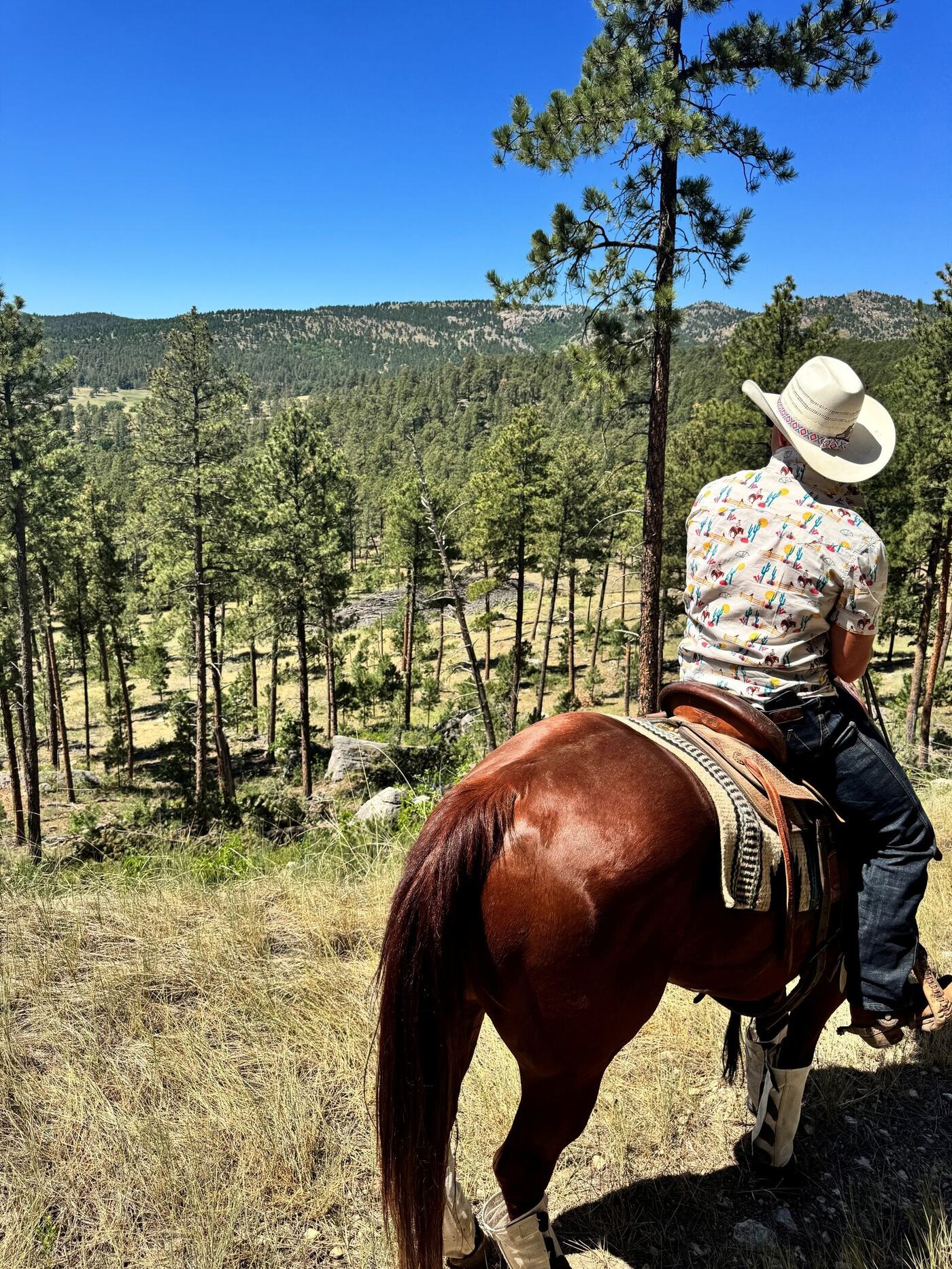
It never meant that. PRAUS describes strength that is governed, directed, and answerable to something beyond itself — like a powerful horse that has learned to respond to the slightest touch of the rein. The power hasn't been removed. It's been placed under authority.
That's the picture behind everything Jon teaches as The Cowboy Coach: you don't develop a great horse — or a great leader — by taking the strength out of them. You develop one whose strength can be trusted.
What PRAUS Looks Like
Not the absence of power. The direction of it.
PRAUS reframes four qualities that, left unsurrendered, quietly work against a leader — and, surrendered, become the qualities people trust most.
Power
With Direction
Strength
With Discipline
Authority
With Responsibility
Conviction
Without Ego
The Framework
Five shifts. One transformation.
PRAUS isn't a slogan — it's a sequence. Each principle builds on the one before it, moving a leader from control toward trust.
Surrender
Who holds the reins?
Control → Submission
Surrender ego, control, and personal agenda to something greater than yourself.
Self-Mastery
Can you lead yourself?
Reaction → Discipline
Govern your emotions, reactions, habits, and choices before attempting to lead others.
Stewardship
What has been entrusted to you?
Blame → Responsibility
Take ownership of how you steward your people, opportunities, and influence.
Stand Firm
What will you stand for?
Compromise → Conviction
Know your values. Establish your standards. Have the courage to hold the line.
Know when to stand.
Strategy
What will you do about it?
Drift → Intentional Action
Turn conviction into direction, decisions, and consistent action.
Why A Horse?
Because horses don't respond to your title.
A horse doesn't know you're the VP. It doesn't care about your title, your track record, or how hard you worked to get where you are. It only responds to what you actually bring into the pen — your presence, your consistency, your timing, your willingness to release pressure at the right moment.
That's exactly what makes the horse such an honest teacher of leadership. You can talk your way into a promotion. You can't talk your way into a horse's trust — or, really, into anyone's.
Breaking a colt was never about breaking his spirit or taking away his power. It's about teaching that power to respond to direction. A finished horse is still a powerful animal — it has just learned when to go, when to stop, and who's holding the reins. PRAUS asks the same of leaders.
"Your organization needs strong leaders whose strength can be trusted."
— Jon Anderson, The Cowboy Coach
Want the full framework in your organization?
See what PRAUS looks like applied to your team.
Explore Ways To Work Together →
A Leadership Philosophy from The Cowboy Coach